Are you a service business owner struggling to convert leads into loyal customers consistently? Understanding and optimizing your Sales Pipeline Stages is fundamental to consistent growth and predictable revenue. A well-defined sales pipeline provides clarity, allows for strategic intervention, and ensures every opportunity is maximized.
At Kreative Brand Solutions, we understand the unique challenges service businesses face in managing their customer journey. This guide will walk you through 5 essential sales pipeline stages, offering proven strategies to streamline your process, improve conversions, and ultimately boost your business success.
Key Takeaways
- Implement a clear 5-step framework for your sales process, from initial prospecting to post-sale follow-up.
- Leverage AI-powered automation to efficiently capture and nurture leads, ensuring no opportunity is missed.
- Develop a robust qualification process to focus your efforts on the most promising prospects.
- Master the art of presenting solutions and handling objections to confidently close more deals.
- Continuously optimize your sales pipeline using data and CRM tools for sustained growth and customer retention.
Sales Pipeline Stages: 5 Essential Steps for Proven Success
Defining Your Sales Pipeline Stages: The 5-Step Framework
Defining your sales pipeline stages is the bedrock of any successful sales operation, providing a clear roadmap for every potential customer journey. These stages represent the distinct steps a prospect takes from initial awareness to becoming a paying client. For service-based businesses, a structured approach ensures consistency and efficiency.
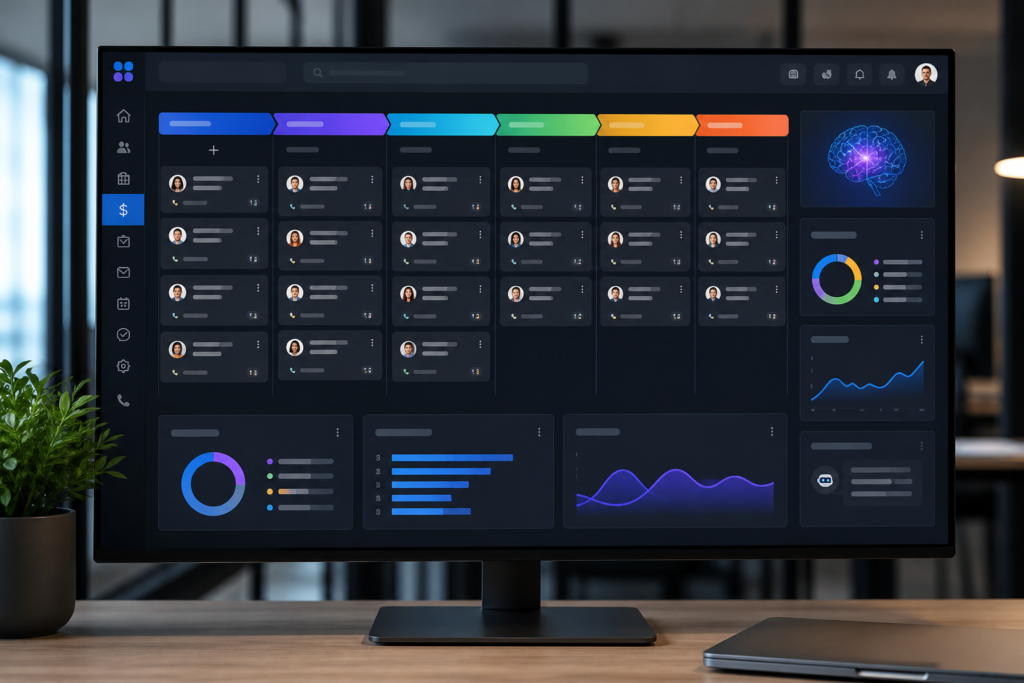
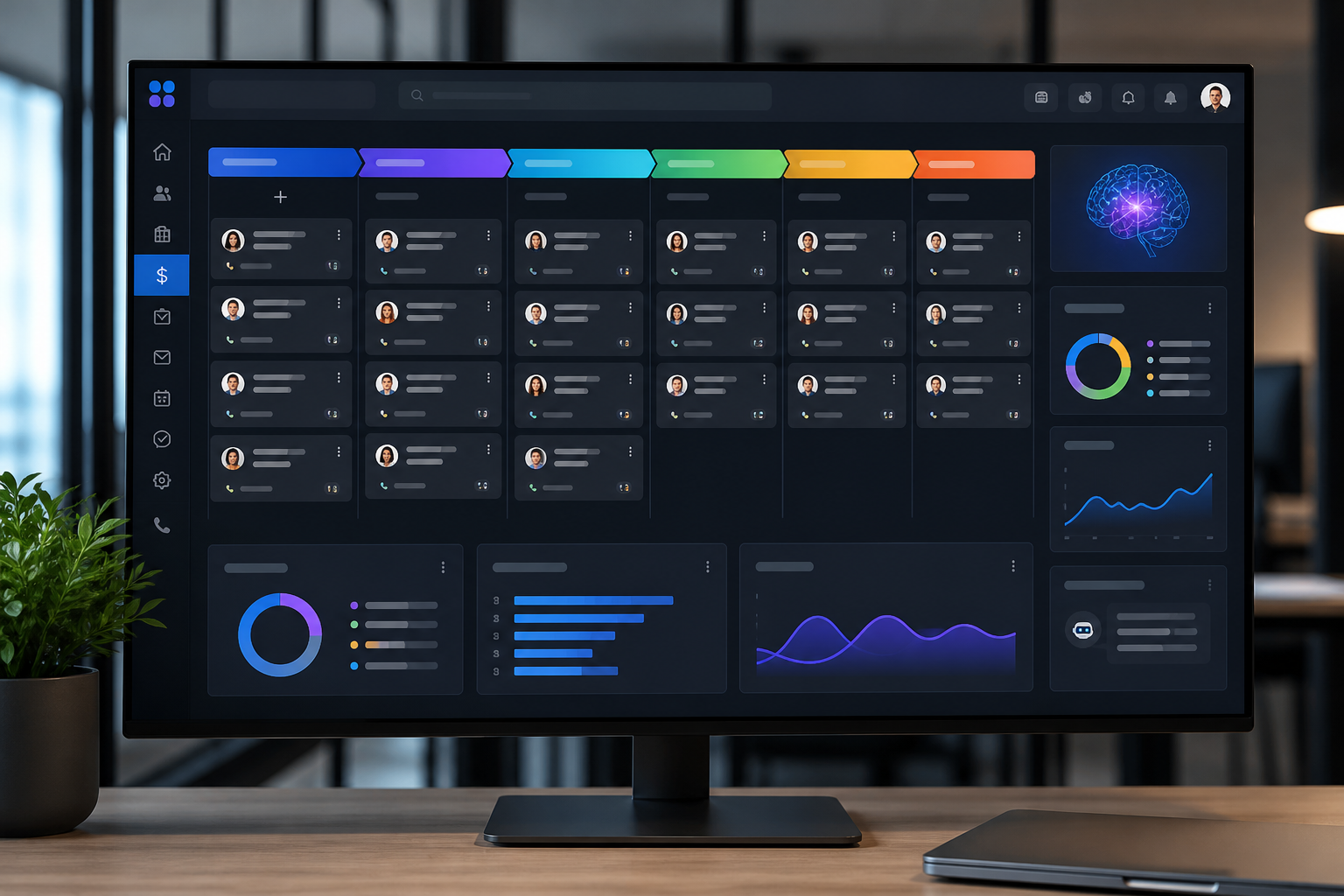
A common and highly effective 5-step framework includes: Prospecting, Qualification, Proposal, Negotiation, and Closing. Each stage has specific objectives and actions, guiding your team to move deals forward strategically. Kreative Brand Solutions’ AI-powered CRM is designed to help service businesses, from medspas to HVAC contractors, define and track these specific stages with ease. This turns complex sales journeys into manageable, actionable steps, ensuring every opportunity is visible and accounted for.
Step 1: Prospecting and Lead Generation
The first critical stage in any sales pipeline is identifying and attracting potential customers who might benefit from your services. Effective prospecting involves actively seeking out individuals or businesses that fit your ideal client profile. For service industries like beauty & wellness or home services, this could mean targeting local demographics or specific business types.
Kreative Brand Solutions’ AI-powered automation platform significantly assists in this crucial lead capture phase. Imagine a busy salon in Coconut Creek, FL, receiving an inquiry after hours. Our automated follow-up campaigns via SMS and email can instantly engage that lead, providing immediate information and scheduling options. Our missed call text back feature ensures that even if you can’t answer the phone, no potential client is left behind, automatically initiating a conversation and capturing their interest. This proactive approach ensures a steady stream of new opportunities entering your Sales Pipeline Stages. According to a study by Salesforce, high-performing sales teams are more likely to use automation for lead management.
Step 2: Qualification & Nurturing Opportunities
Once leads are generated, the next vital step is to qualify them, assessing their genuine potential and ensuring they are a good fit for your services. This involves understanding their needs, budget, authority, and timeline (BANT criteria). Effective qualification prevents wasted effort on unlikely prospects, allowing you to focus on high-value opportunities.
Consistent communication and nurturing are essential during this stage to build trust and maintain engagement. This is where your internal processes, supported by tools like the Kreative Brand Solutions CRM, become invaluable. You can automate personalized follow-ups that keep your brand top-of-mind without requiring constant manual effort.
Here’s a 3-point checklist for service business owners to qualify a lead effectively:
- Need: Does the prospect clearly articulate a problem your service can solve?
- Budget: Do they have the financial capacity or a realistic understanding of the investment required?
- Decision Power: Are they the primary decision-maker, or can they influence the final choice?
By asking these key questions early, you can efficiently move prospects through your pipeline. To learn more about how our platform can streamline your lead nurturing, explore our AI CRM solutions.
Streamline Your Sales Pipeline with Kreative Brand Solutions
Discover how our AI-powered CRM and automation platform helps service businesses like yours effortlessly manage leads, track opportunities, and close more deals, enhancing every aspect of your customer journey.
Steps 3 & 4: Presenting Solutions, Handling Objections, and Closing
These middle and end stages are where your expertise truly shines, as you transition from understanding needs to offering tailored solutions and finalizing the deal. Presenting a compelling proposal means clearly articulating the value and benefits your service provides, directly addressing the prospect’s pain points identified during qualification. It’s not just about listing features; it’s about painting a picture of the positive outcome they will experience.
Handling objections effectively requires active listening and empathy. Instead of dismissing concerns, acknowledge them and reframe them as opportunities to reinforce value. For example, a beauty salon owner might present a client with a new anti-aging facial. If the client expresses concern about the price, the owner could respond, “I understand budget is important. This particular facial includes a unique serum that provides visible results for up to three months, making it a powerful investment in your skin’s long-term health and radiance.” This approach addresses the concern while highlighting the value, often leading to a successful conversion. Mastering these interactions is crucial for progressing through your Sales Pipeline Stages.

Step 5: Post-Sale Follow-Up & Optimizing Your Sales Pipeline with Kreative Brand Solutions
The sales process doesn’t end when a deal closes; effective post-sale follow-up is vital for customer retention, referrals, and long-term business growth. This stage ensures client satisfaction and opens doors for future opportunities. Regularly checking in, requesting feedback, and offering additional services builds strong relationships and fosters loyalty.
To continuously refine your sales process, tracking performance metrics at each stage is essential. This data helps identify bottlenecks, understand what works, and make informed adjustments. Kreative Brand Solutions’ AI-powered CRM and automation platform offers robust sales pipeline tracking features, enabling businesses to manage all Sales Pipeline Stages from inquiry to conversion. Our platform automates follow-ups, tracks customer interactions, and provides comprehensive analytics. This allows you to gain insights to optimize your entire sales operation, ensuring consistent engagement and maximizing conversion opportunities. Furthermore, our KASV™ framework enhances your digital trust, ensuring new leads are consistently flowing into your optimized pipeline.
Here are key metrics to track for each sales pipeline stage:
Key Takeaways
- A well-defined sales pipeline with 5 clear stages is crucial for predictable business growth.
- Automated lead generation and follow-up, like those offered by Kreative Brand Solutions, ensure no prospect is overlooked.
- Rigorous qualification helps focus sales efforts on the most promising opportunities.
- Effective proposal presentation and objection handling are vital for moving deals to closure.
- Continuous monitoring and optimization of your sales pipeline stages with a robust CRM leads to higher conversion rates and stronger customer relationships.
Conclusion
Mastering your Sales Pipeline Stages is not just about tracking deals; it’s about building a predictable, scalable system for business growth. By implementing these 5 essential steps and leveraging powerful automation tools, service businesses can transform their sales process. Explore how a powerful AI-powered CRM can transform your sales process and drive amazing results for your business.
Frequently Asked Questions About Sales Process Stages
What are the typical stages of a sales pipeline?
Typically, a sales pipeline includes stages like lead generation, qualification, discovery, proposal, negotiation, and closed-won or closed-lost. These steps guide prospects through their buying journey, ensuring a structured approach to each interaction.
Why is it crucial to define clear stages in your sales process?
Clearly defined stages provide visibility into your sales efforts, allowing for accurate forecasting and targeted interventions. They help identify bottlenecks, standardize sales activities, and ensure every team member follows a consistent, effective strategy for moving deals forward.
How can I effectively manage my sales pipeline to boost conversions?
Effective sales pipeline management involves regularly reviewing each stage, eliminating stalled deals, and leveraging automation for follow-ups and task management. Tools like the Kreative Brand Solutions CRM can provide real-time insights and automated workflows, ensuring consistent engagement and maximizing conversion opportunities.
What is the main difference between a sales pipeline and a sales funnel?
While often used interchangeably, a sales pipeline represents the active journey of individual deals progressing through stages from prospect to customer. A sales funnel, on the other hand, illustrates the conversion rates at each stage, depicting the overall volume of leads moving towards a narrower group of customers.
How can businesses build an effective sales pipeline from the ground up?
Building an effective sales pipeline starts with defining your ideal customer profile, outlining clear stages, and establishing metrics for each. Implement a robust CRM system like Kreative Brand Solutions’ platform to track interactions, automate lead nurturing, and ensure consistent application of your sales strategy.
Which key metrics should I monitor within each sales process phase?
Key metrics to track include the number of opportunities in each stage, average time spent per stage, conversion rates between stages, and total deal value. Monitoring these metrics helps identify areas for improvement and forecast revenue more accurately, driving strategic adjustments.
What CRM tools best support robust sales pipeline automation?
CRM platforms that offer integrated automation, customizable pipeline views, and detailed reporting are ideal for robust sales automation. Kreative Brand Solutions’ AI-powered CRM, for example, streamlines lead management, automates communications, and provides comprehensive tracking to optimize every phase of your sales journey.